
WABO SPORTS · FOOTBALL EXPLAINER
The Story Inside a Football Match Card: Clocks, Scores and Context
Read football match cards with clearer context: fixture dates, added time, extra time, aggregate scores and the route from a WABO MY entertainment lobby.

The whistle is still a few minutes away, somebody in the group chat has shared a match card, and the conversation has already moved to the starting line-up. Before joining in, take another look at the small print around the team names. Competition, date, match phase and score labels give a football update its meaning. Reading those details makes the story easier to follow, especially on a busy evening when league fixtures and cup ties share the same screen.
Give the fixture a complete identity
A club badge is a quick visual clue. The competition and full team name tell you which fixture you have found. Senior, reserve and youth sides can appear under closely related names, and the same opponents can meet in different competitions. Read the competition heading with both participants, then add the date. That combination gives the card a clear identity before you begin interpreting its score or timing.
If you share the card, include those details in the message. A friend opening it later has a much better starting point than a cropped picture containing two badges and a number.
Read a scheduled time with its date
Late-night football makes the date especially useful. A fixture listed after midnight belongs to a new calendar day in the displayed time zone. Keep the date, time and time-zone label together when arranging a watch party. If the listing provides no time-zone explanation, check the competition’s published schedule before adding it to your calendar. A saved picture is a record of the displayed schedule; the current fixture page can reflect subsequent changes.
The clock has more than one chapter
A clock reading 45+2 places the action in added time at the end of the first half. It needs to be read alongside the match-phase label. Under the standard format in IFAB Law 7, a match has two 45-minute halves, with allowances for time lost. The added time announced by the fourth official is a minimum, so play can continue beyond that number.
That explains why a screen passing the announced minute can still show a live first or second half. Wait for the phase to change before describing the interval or the end of play. The referee’s decisions and the official match record establish what happened; a running display helps you follow it.
A tied score needs the competition’s context
At the end of a league fixture, a level score can be the completed result. A knockout tie may need another step to produce a winner. IFAB Law 10 sets out permitted deciding procedures, including extra time and penalties, with the applicable procedure determined by competition rules. Read those rules when a cup tie reaches a level finish.
Extra time and a shoot-out describe different stages. IFAB places the penalty shoot-out after the match has ended. When a result card shows both a match score and shoot-out figures, keep their labels attached when reporting them. A complete sentence can describe the drawn match and then name the team that advanced on penalties.
Keep the match score beside the aggregate label
A two-leg tie can tell two stories at once: the score in the match you are watching and the combined score across the tie. The word “aggregate” identifies that wider total. Before announcing which team is ahead, establish which score you are reading. A team leading on the night may still be behind across both legs.
This is a useful moment to slow the group chat down with one clear description: the score today, the aggregate position and the current phase. Those details give everyone a shared reference for understanding the next goal.
Know where the football route begins
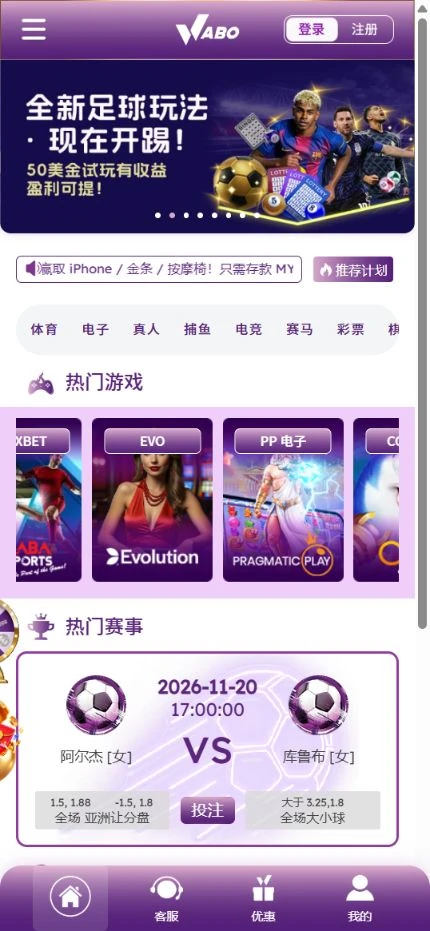
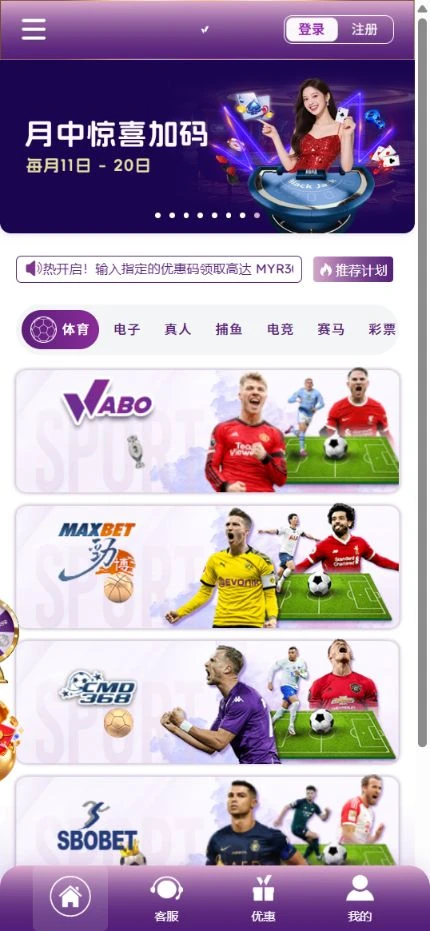
The public WABO MY homepage puts a sports route within the wider entertainment menu. Football readers can begin by recognising that category. Its public entertainment homepage is the starting point for choosing a section. Read the navigation before following an image, then check the heading on the page that opens. The Chinese mobile homepage below shows that wider browsing context, including the 体育 category label.
The 体育 category below is a provider catalogue. WABO, MAXBET, CMD, SBOBET and OB identify entry cards. Event-level dates, clocks and score labels belong to the subsequent football listing or match report. Recognising the catalogue stage makes the route from the homepage easier to follow.
A useful match update fits in one sentence
Before pressing send, ask whether your update names the competition, identifies the fixture and explains the relevant score label. Add the match phase when play is continuing. For another angle on following the action, read our New Zealand–India cricket scorecard guide. A little context gives the numbers a story everyone can follow.
This online casino Malaysia guide follows a simple route from category labels to the information they open. For sports, the provider catalogue comes before the fixture page and its event details.
Quick questions
Does added time mean extra time?
Added time accounts for time lost within a half. Extra time is a separate deciding stage used under the relevant competition rules.
What does aggregate mean?
It is the combined score across the legs of a tie. Read it alongside the current match score and the competition’s rules.
What should I include when sharing a match card?
Include the competition, participants, date and match phase. Keep any aggregate or shoot-out label alongside the corresponding figures.